 01 / 10
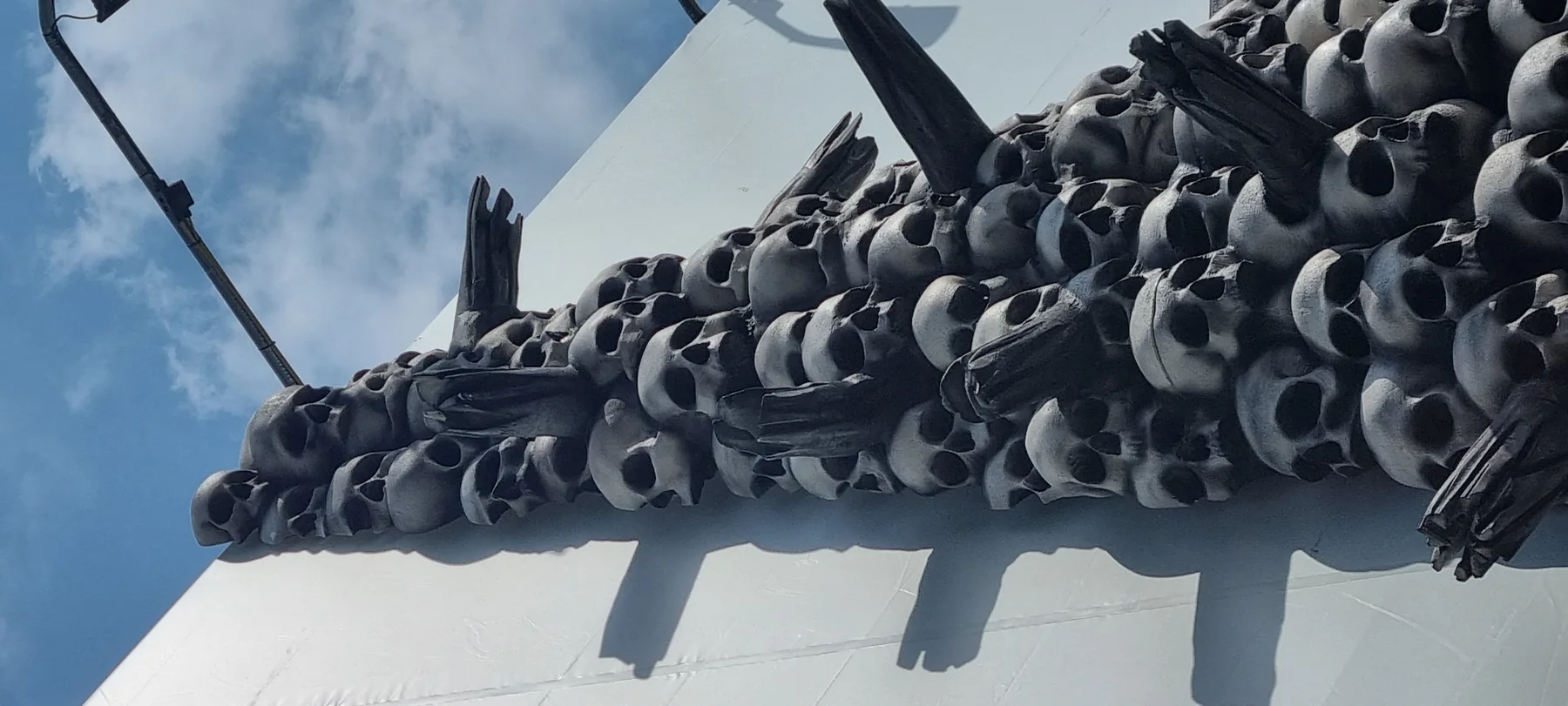
CONCEPT · STRUCTURAL DESIGN · ROBOTIC MACHINING
28 Years Later
An eight metre structure, designed from the ground up, machined on a KUKA robot, then painted and finished by hand.
TURNKEY PRODUCT DEVELOPMENT FOR START-UPS
ONE DIRECT CONTACT
CONCEPT TO PRODUCTION
I personally develop the complete product: concept, mechanical engineering, electronics and programming, with FEA and CFD analysis when it helps answer the right questions. You work directly with me through every discipline, from the first idea to manufacture. No hand-offs. No hoops.
Explore the work↓CURIOSITY, BUILT.
My Strandbeest. A walking mechanism,
designed and built in my own workshop.
SELECTED WORK / 01
A selection of design, engineering and hands-on making. Each project starts with a problem worth solving.
01 / 10CONCEPT · STRUCTURAL DESIGN · ROBOTIC MACHINING
An eight metre structure, designed from the ground up, machined on a KUKA robot, then painted and finished by hand.
 02 / 10
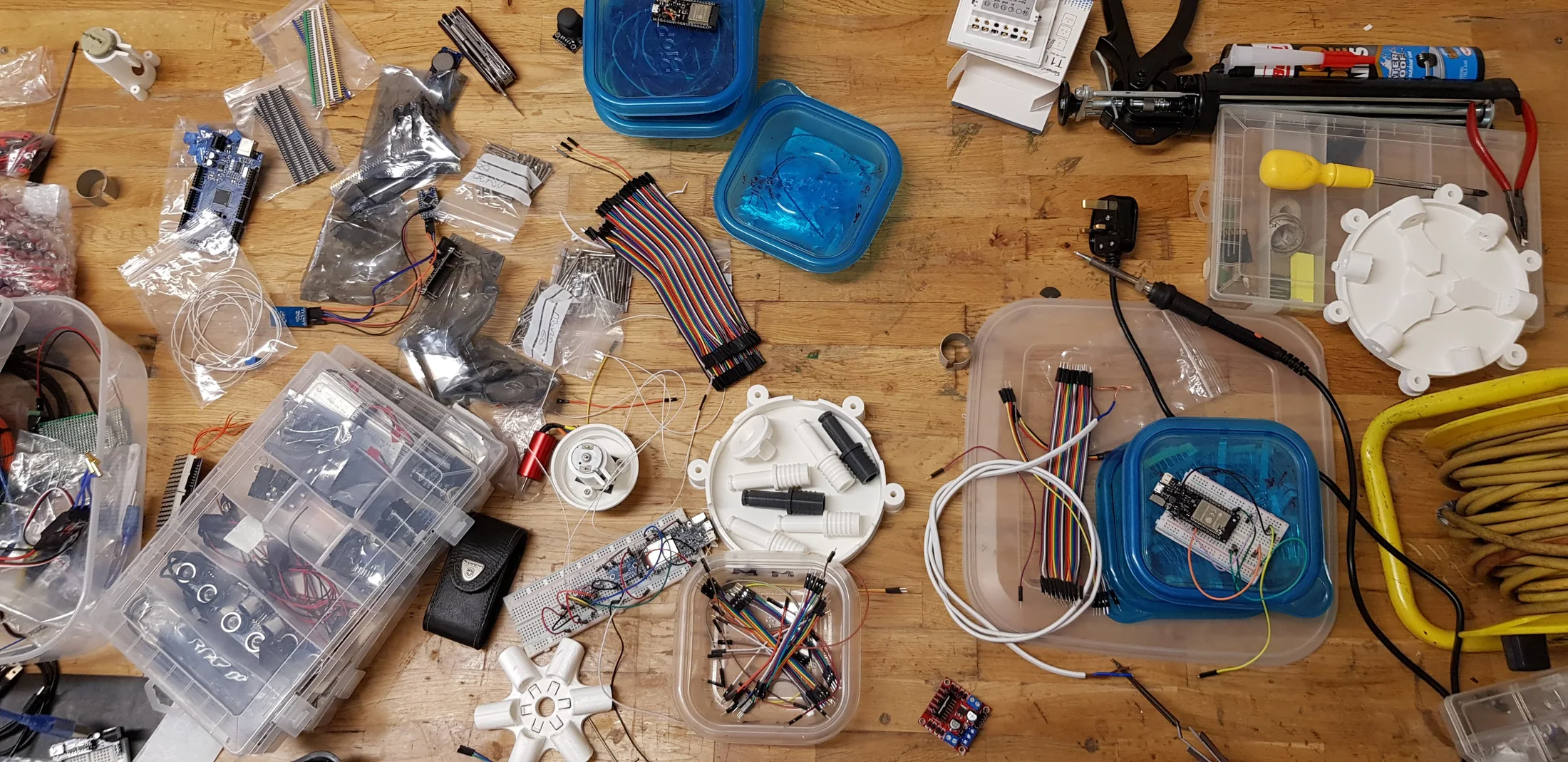
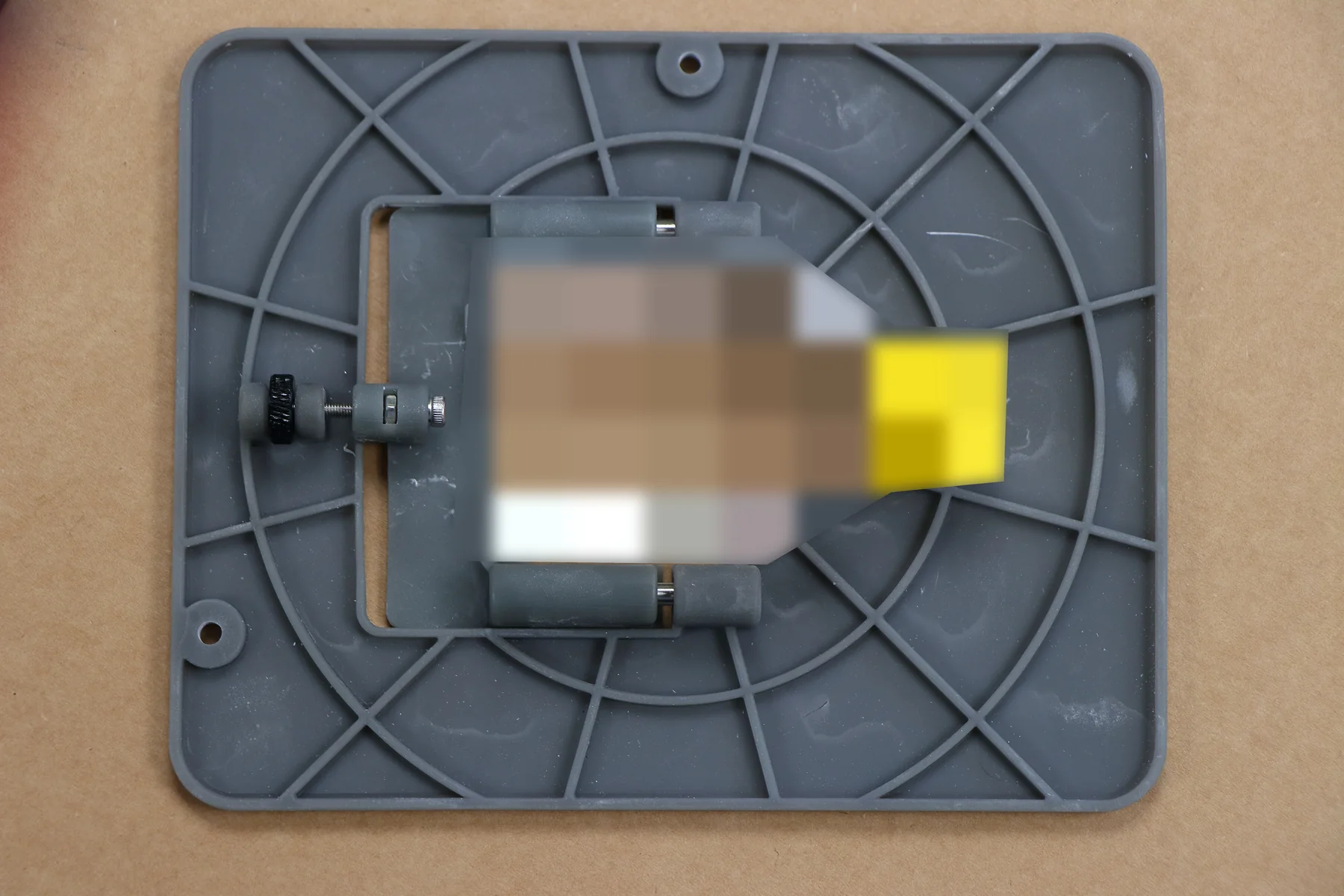
MECHANICAL DESIGN · POSITIONING
A positioning tool for microscopes, designed around the optical path and lenses below the sample.
 03 / 10
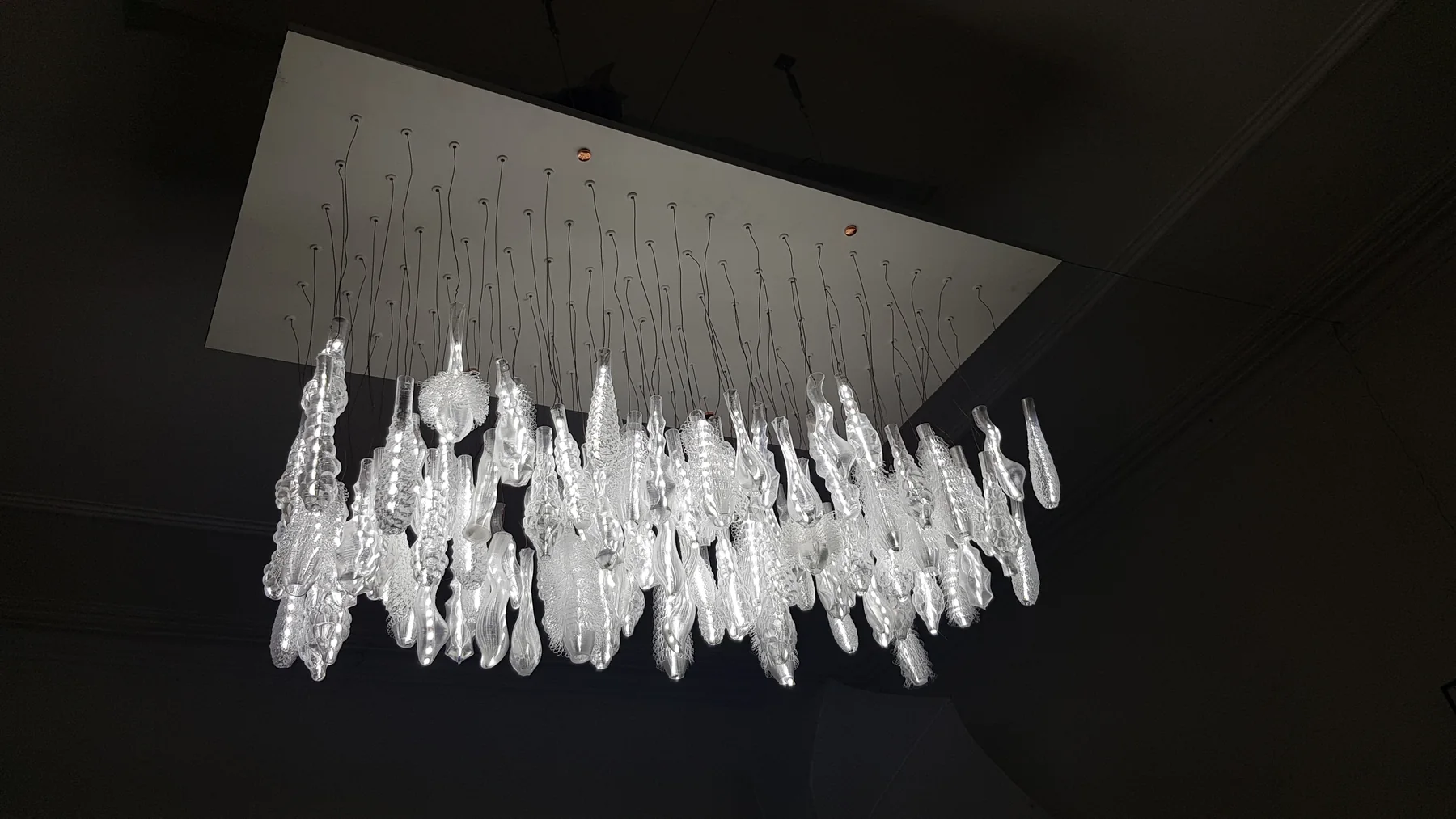
3D PRINTING · ELECTRONICS · ANIMATION
Custom 3D printed “bottles” meet animated lighting, controlled by purpose-built circuit boards.
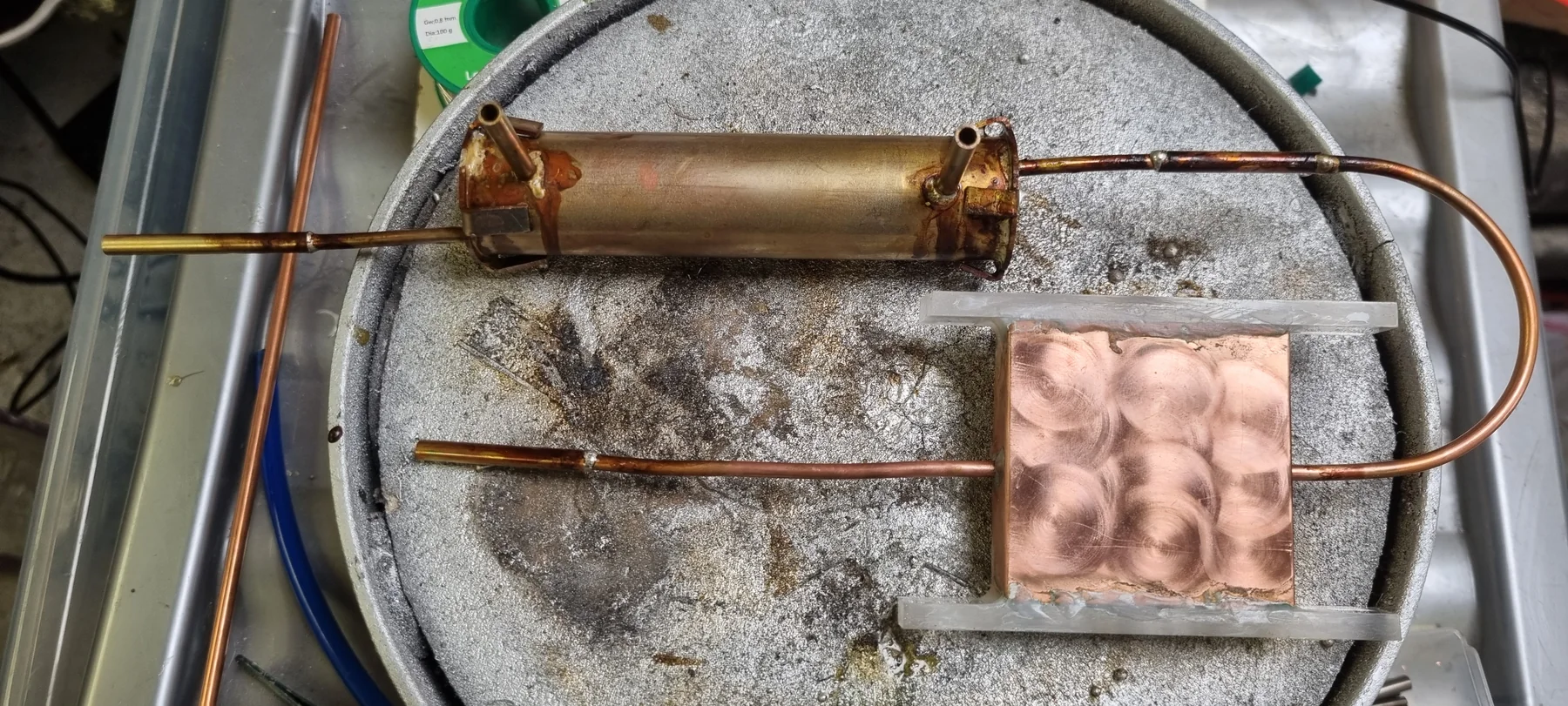 04 / 10
COMPACT DESIGN · 3D PRINTING · HAND WORK
A space-conscious column developed for a project where every millimetre mattered, combining printed parts with careful hand fabrication.
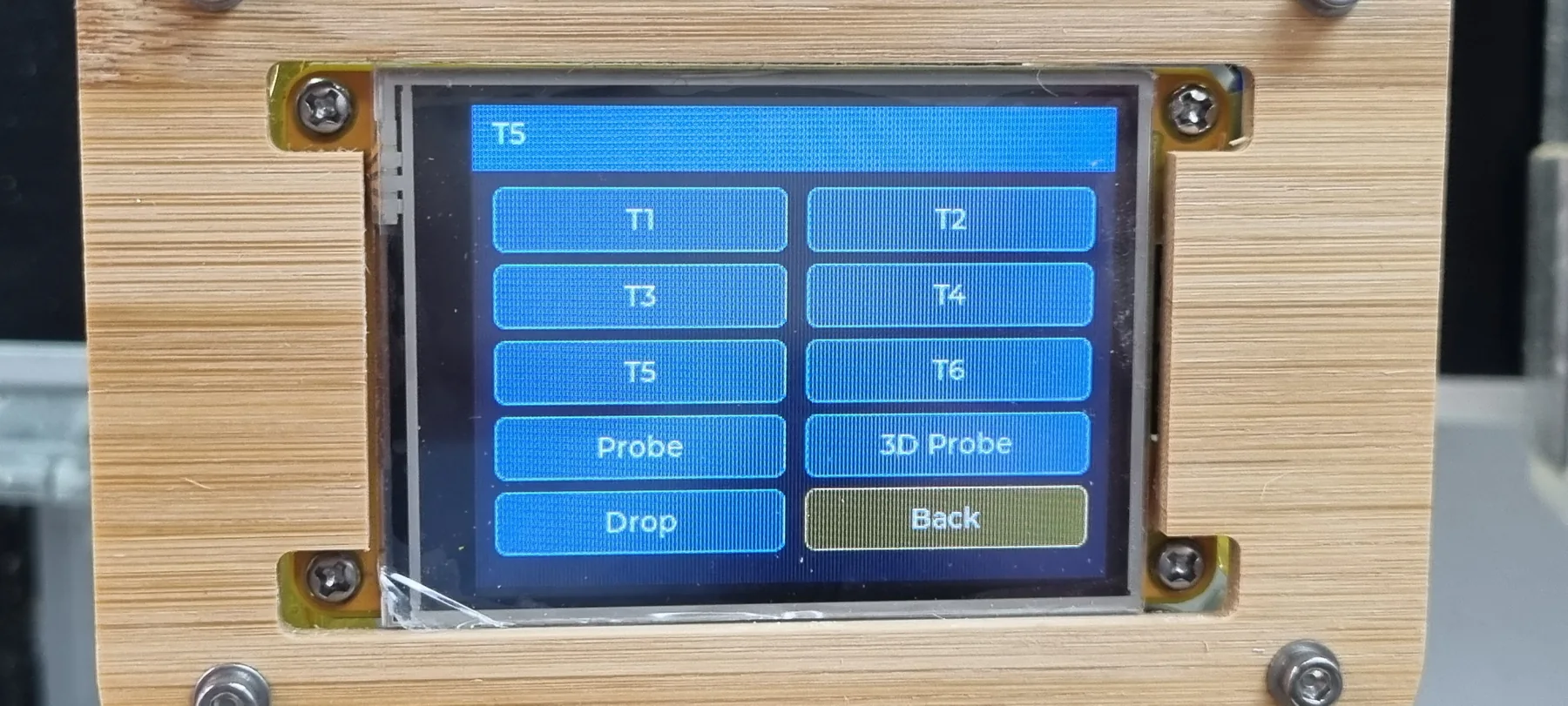 05 / 10
PRODUCT DESIGN · ELECTRONICS · CNC
A complete build: design, programming, electronics and a practical, workshop-ready enclosure.
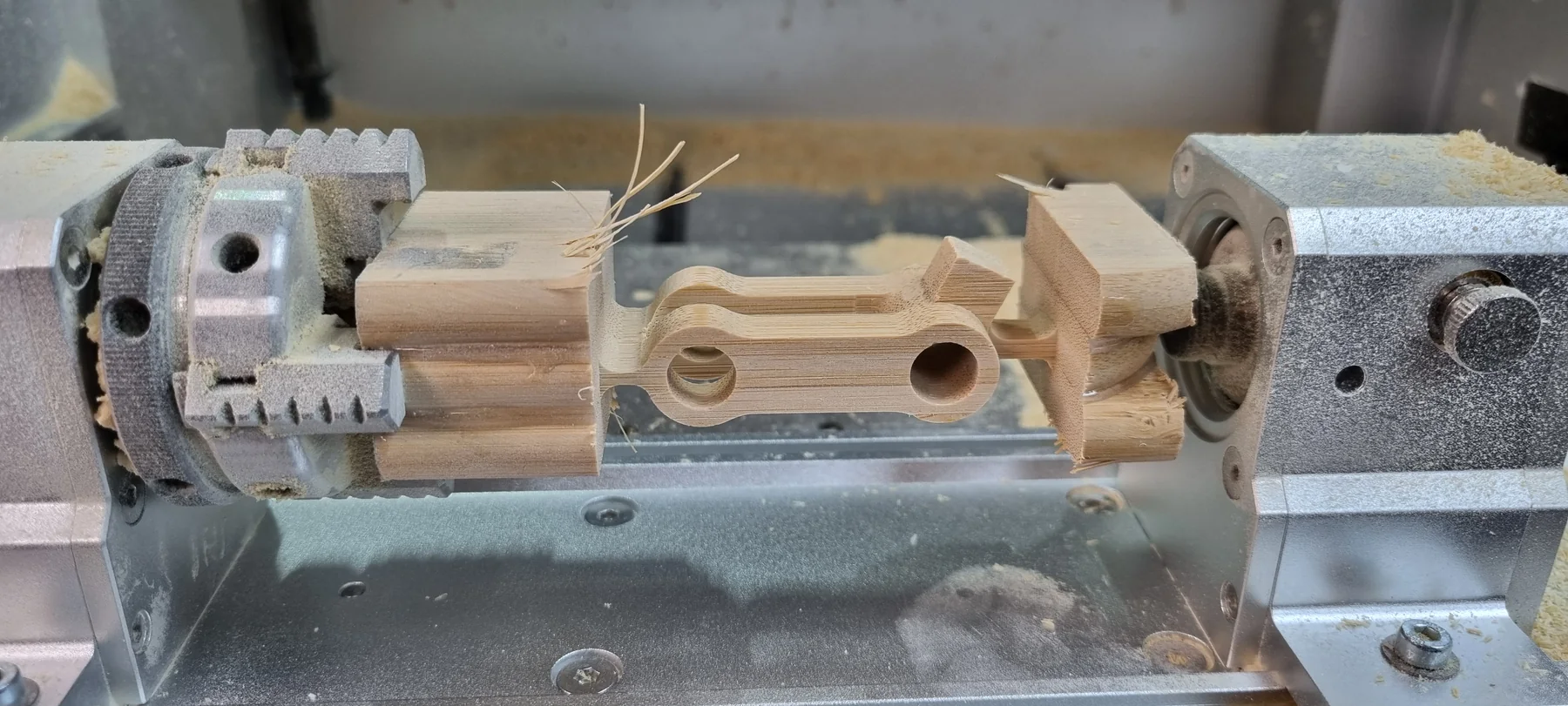 06 / 10
PROTOTYPING · CNC · FIT DEVELOPMENT
Representative components machined in bamboo to check geometry and fit before moving towards final parts for a demanding application.
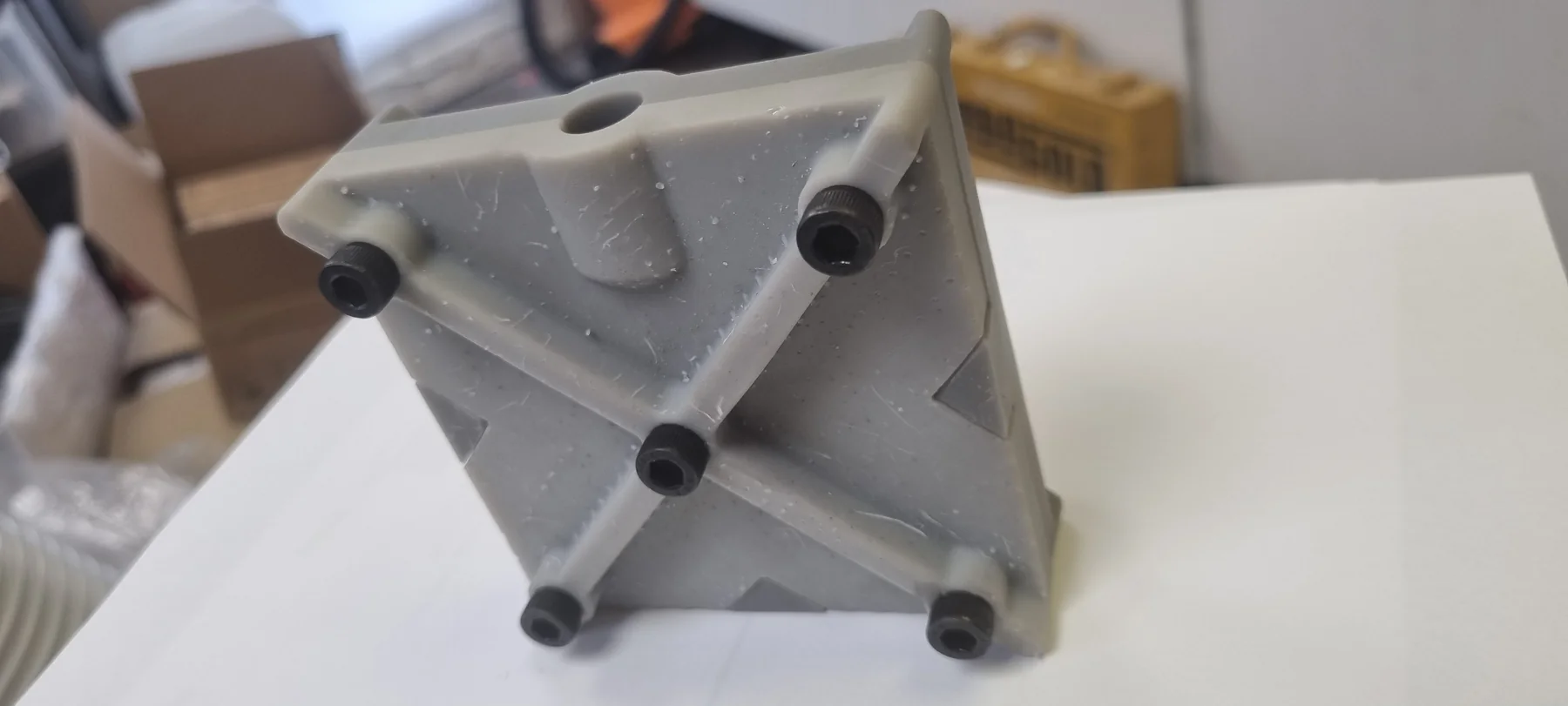 07 / 10
TOOLING · MATERIALS · ITERATION
A purpose-made mould for producing rounded-square nitrile gaskets to suit a client project.
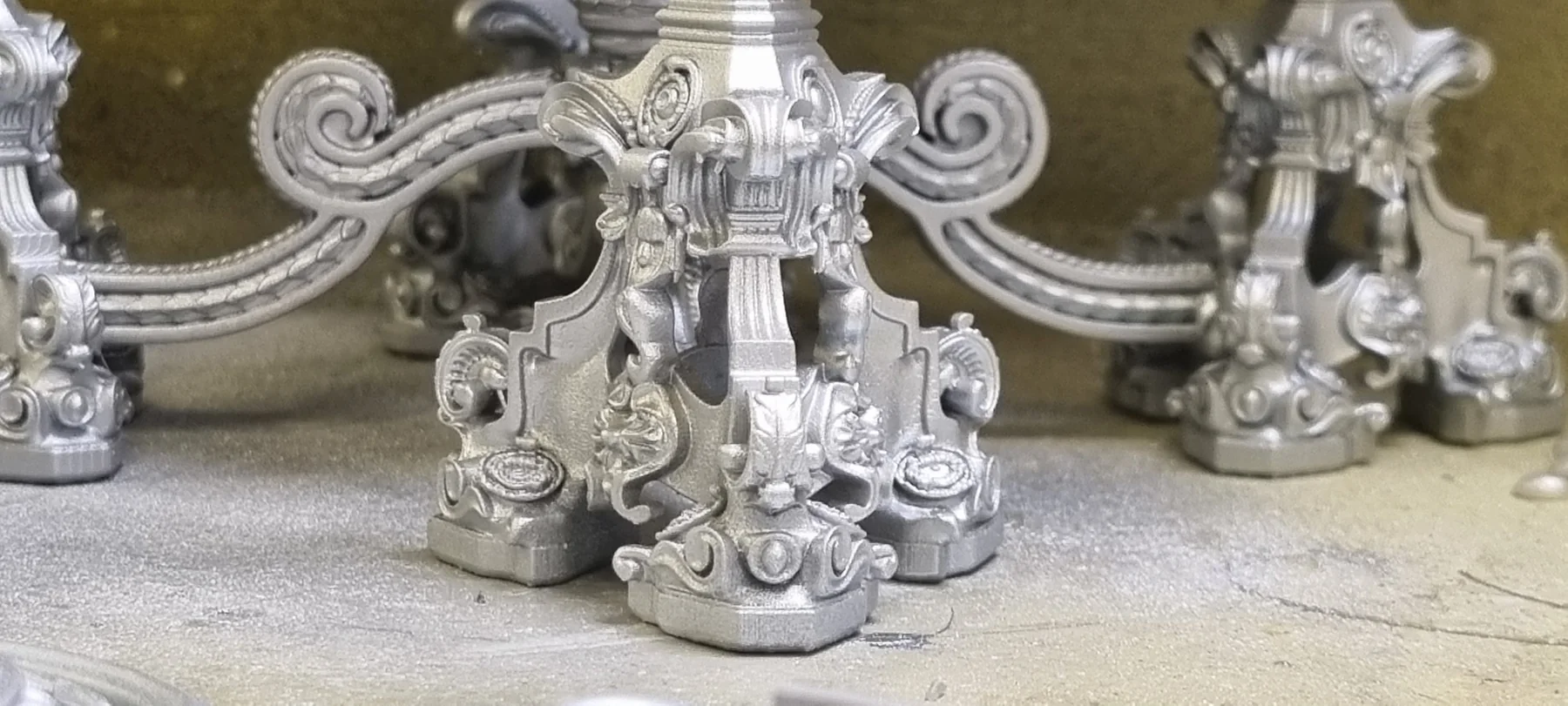 08 / 10
DESIGN · 3D PRINTING · HAND FINISHING
A detail-rich design brought into the physical world through a blend of digital fabrication and manual skill.
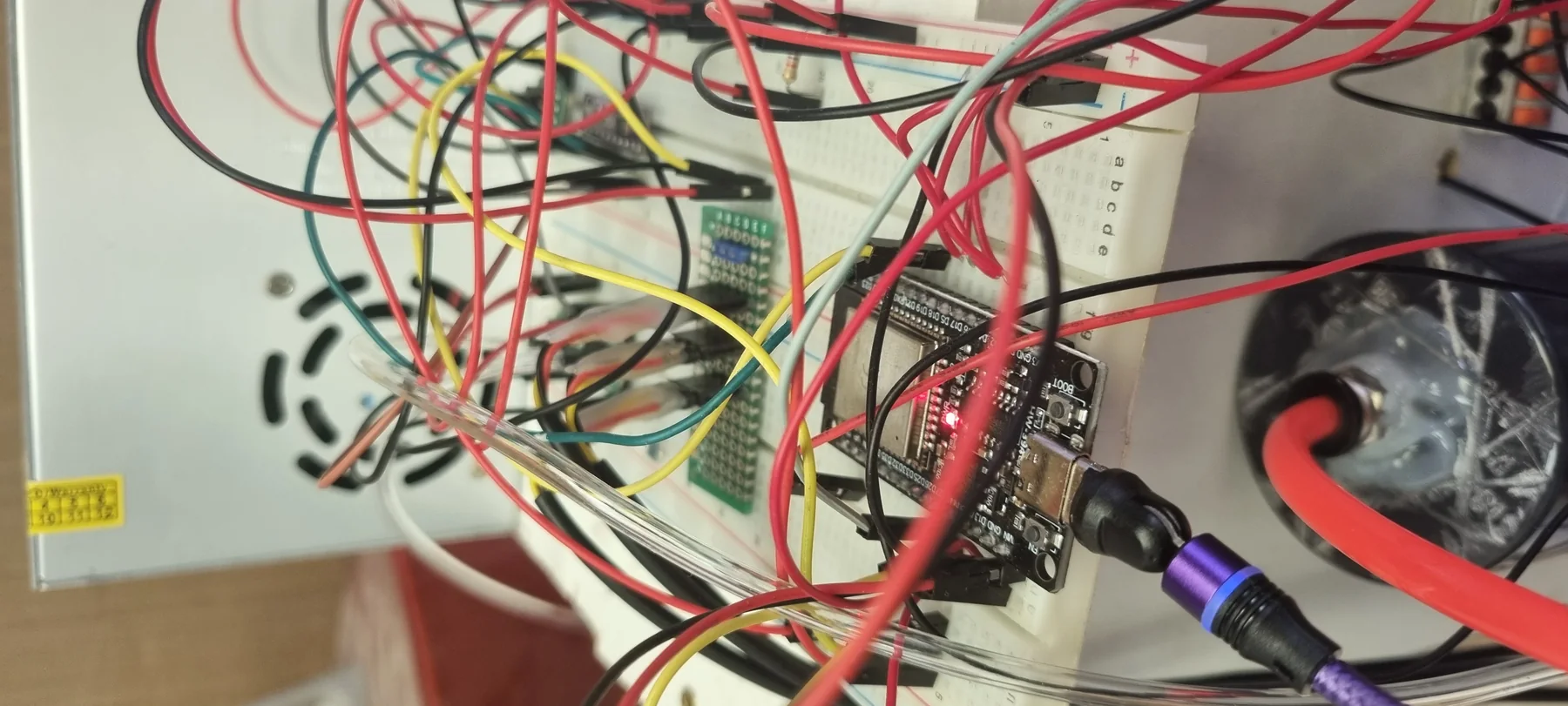 09 / 10
AUTOMATION · SENSORS · CONTROL SYSTEMS
The early stages of a complex vacuum automation system, bringing multiple sensors and controllers into one working setup.
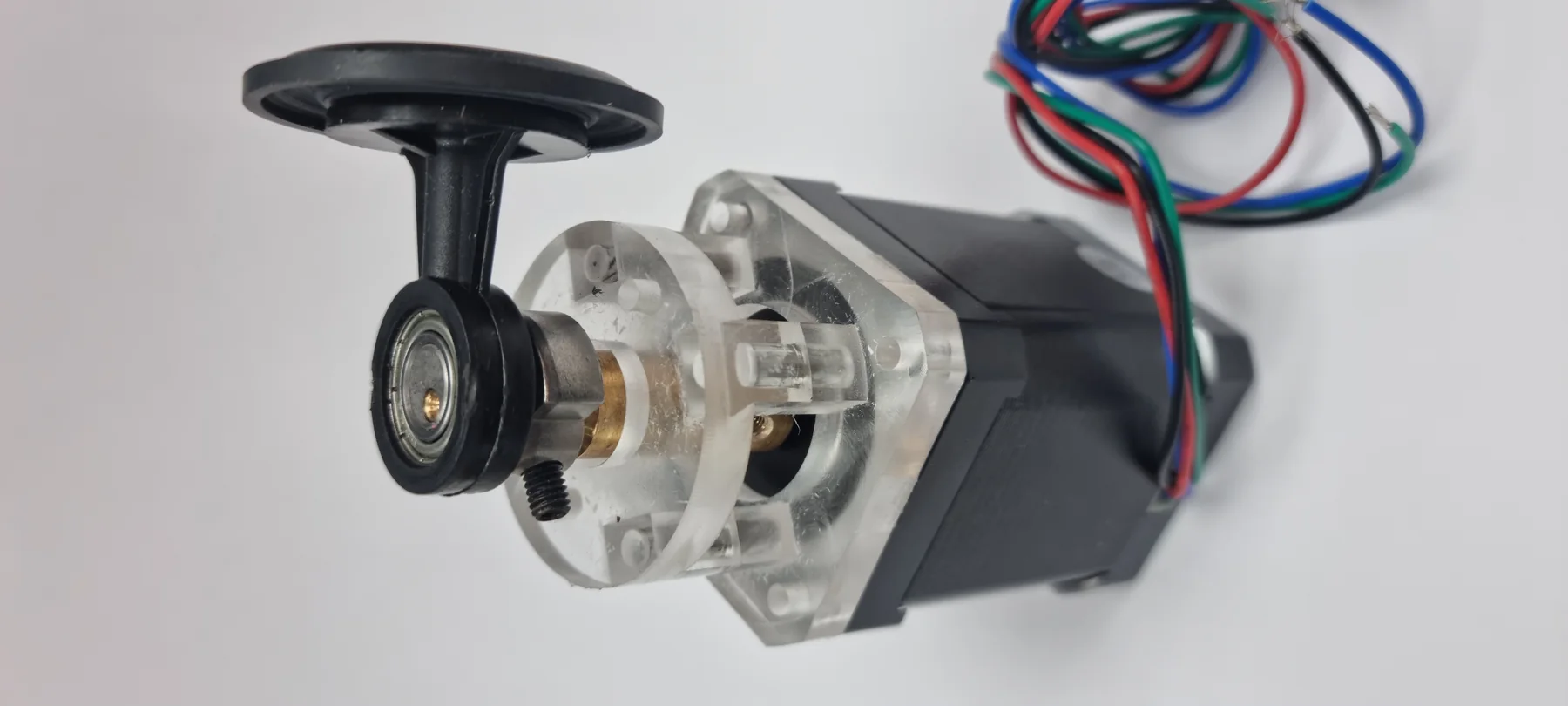 10 / 10
MECHANICAL REDESIGN · PRECISION · NOISE CONTROL
An extensive modification of an inexpensive pump to meet a client’s need for a compact, powerful, precise and quiet system.
A first pass at the project selection. Images and descriptions are here for us to shape together.
THE SPACE BETWEEN IDEA & OBJECT
A product rarely gets there in one leap. I connect the design, the engineering and the making, so each version teaches us something useful about the next.
Here’s how we get there ↗Get it off
the screen.
Onto the bench.
01 / FROM WHAT IF TO WHAT’S NEXT
Start where you are.
Each stage ends in something tangible.
You decide when to take the next step.
01 / DISCOVERY
A conversation about what you want to make, what exists already, and the problem worth solving. Bring a sketch, a rough prototype, or simply a question.
A clear direction
02 / DESIGN
Concepts become CAD models, mechanisms and renders. We work through form, fit and how the parts belong together while changes are still easy to make.
CAD models & concepts
03 / PROTOTYPE
Printed parts, machined components and electronics where needed. The first prototype answers the important question: does the core idea actually work?
A prototype to test
04 / REFINEMENT
Improve the fit, feel and behaviour through successive prototypes. Tighten tolerances, resolve the details and build something you can put in front of people.
A refined working prototype
05 / MANUFACTURE
Prepare models and drawings for manufacture, with attention to materials, wall thicknesses, draft and assembly. Optional factory support carries the design through tooling feedback.
Manufacturing files & optional factory support
02 / THE WHOLE PRODUCT, ONE PERSON
We work in short, rapid bursts of development and feedback, so decisions keep moving and each iteration informs the next. I can keep technical jargon out of the conversation or help you build your understanding as we go.
You can send me napkin sketches or drawings, or we can talk it through over video. It is my job to work out what you are really after. Together, we explore the idea, who it is for, and what the product needs to do.
I develop early concepts and directions, then use your feedback to shape the form and experience. You might create a mood board, collect images for inspiration, or wave your hands around the artwork I share. Whatever helps you shape your vision.
Design is iterative: we work in short, rapid cycles, so you can respond at each step without long gaps. As mechanical, electronic, analysis or manufacturing decisions emerge, the concept may need to change. I can keep the technical jargon out of the conversation or take you into the detail and help you learn as we go.
I develop the mechanisms, parts and assemblies that make the product work, resolving how components fit together and how the product will be used. Even a relatively simple product can have weak spots, parts prone to wear, or opportunities to reduce cost while keeping the functionality you need.
I can recommend suitable materials and manufacturing processes for the design. Those choices may send us back to earlier decisions: components might need to move, grow, change shape or be removed altogether.
If the product needs electronics, I design them as part of the product rather than treating them as a separate process. Firmware provides the instructions that make the electronics tick.
Your product might need a screen, an app or a desktop program to control it. I can develop those too, and you can shape how they look and feel.
Where it is useful, I use finite element analysis to explore how a design may respond to loads and computational fluid dynamics to study flow behaviour.
The analysis helps answer specific design questions and can guide the next iteration. I explain what the results mean for the product in clear, practical terms.
I make prototypes to check the design in the real world, learn from how the parts fit and behave, and identify what needs to change. Findings here can send us back to adjust an earlier design decision.
If you would like one, I can provide you with a working prototype to handle, evaluate or share with your team. We then use what we learn to plan the next short iteration.
As the design matures, I prepare the models, drawings and technical information needed to move toward production, with attention to materials, tolerances, assembly and the chosen process.
Manufacturing feedback can reveal new constraints. I can work those findings back into the design and help carry it through to a production-ready package.
A PLACE FOR IDEAS TO BECOME OBJECTS.
03 / HELLO, I’M DANI.
I work with start-ups at the beginning of something: an idea on paper, a mechanism that needs solving, or a product ready for its next iteration.
You talk directly to me about every part of the project. I personally develop the concept, mechanical design, electronics, programming and analysis, so the whole product stays connected from start to finish.
Having the tools here means I can learn by building. Print a part. Check the fit. Machine a revision. Keep moving.
Tell me what you’re working on ↗COLLABORATION / VISUALISING COMPLEX IDEAS
Across three challenge projects with Hugo Shelley, I helped turn complex concepts into illustrations and animations, grounded in a close understanding of the technical ideas.

Working with Hugo Shelley, I modelled and visualised a complex astronaut waste-management concept. The illustrations needed to make an unusual, highly technical system understandable while the design was still changing.
Read the challenge story ↗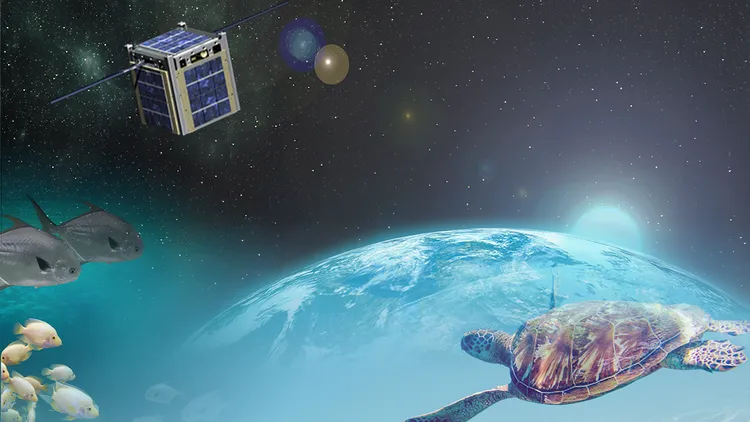
For Team Gaia’s satellite animal-tracking idea, I translated the technical concept into clear illustrations and animation, with technical input to support the proposal. Team Gaia shared first place in the challenge.
Read NASA’s feature ↗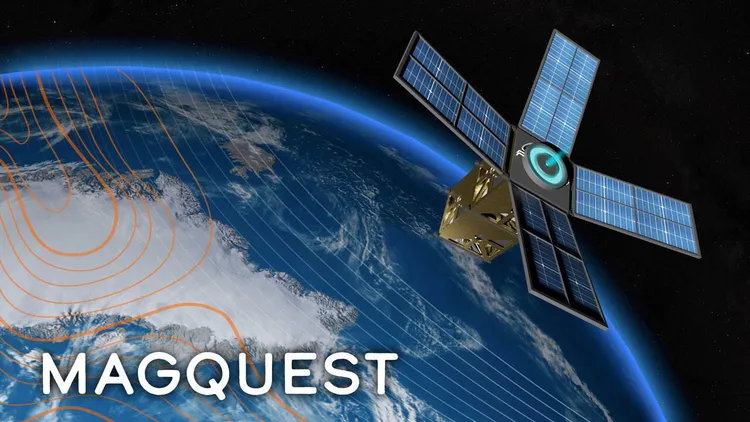
I helped communicate Iota Technology’s compact satellite and magnetometer concept through technical visuals and animation. The work called for turning a novel, tightly integrated system into a picture people could quickly understand.
Visit MagQuest ↗The three teams received awards across these challenge programmes. The expanded images are sourced from the original project and competition pages.
GOT SOMETHING IN MIND?
A napkin sketch. A stubborn mechanism.
A prototype that’s nearly there.
Tell me where you’re starting.